Make It in the Emirates: From Ambition to Necessity
The Iran conflict did not change the direction of the UAE’s industrial strategy. It accelerated the shift, raised the stakes, and turned industrial capacity into a national security imperative.
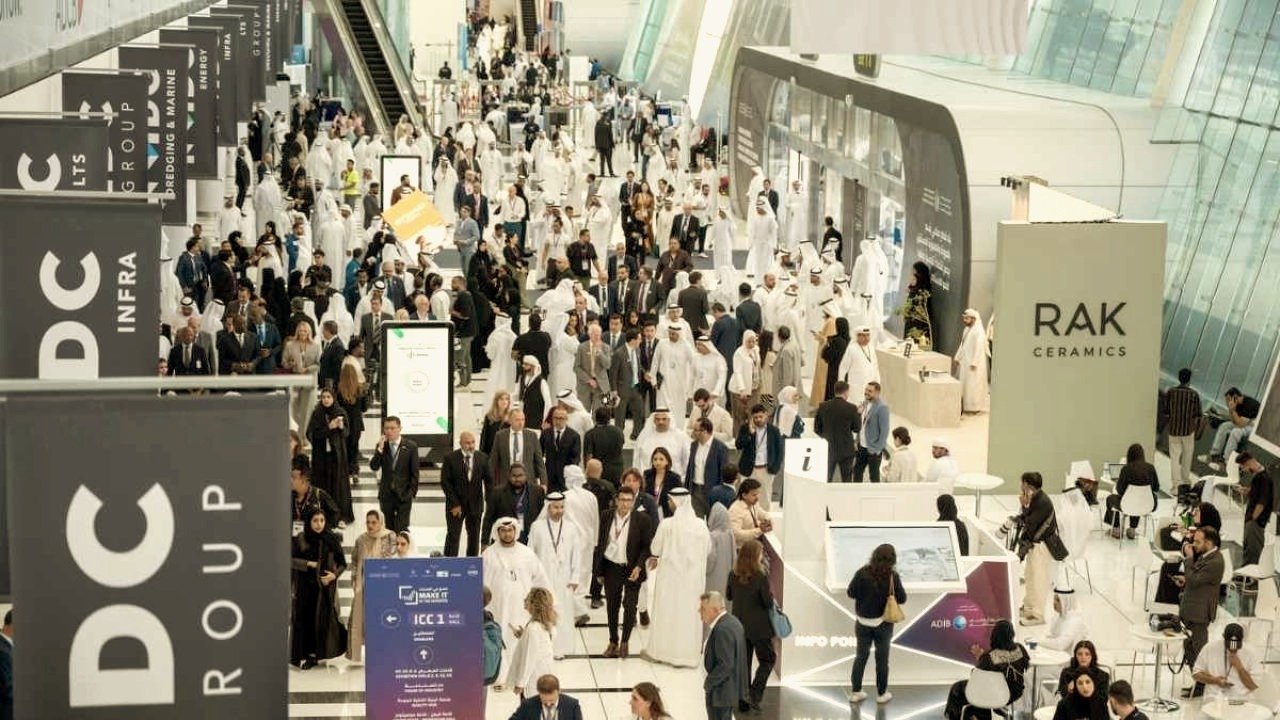
In May, Abu Dhabi hosted the fifth edition of Make it in the Emirates at ADNEC. The largest yet: over a thousand exhibitors, twelve industrial sectors, 171 billion dirhams of deals announced. But the numbers are not the story. The tone is. What was launched in 2021 as an economic diversification program is now discussed, openly, as national security. The war with Iran did that.
The Localization Strategy Was Already Working
The industrial push did not start with the war. Operation 300bn, launched in 2021, set a clear target: raise the industrial sector’s contribution to GDP from 133 billion dirhams to 300 billion by 2031.
The progress is real. The sector has reached 200 billion, up 70 percent in five years. Industrial exports hit a record 262 billion dirhams. And the In-Country Value (ICV) program, the UAE’s national program that scores companies on how much of their spending actually stays in the UAE economy and redirects government and national-company procurement toward local suppliers, had already channeled 347 billion dirhams into the local economy by the end of 2024.
So this was never a slogan with a logo. It was a working industrial policy with money behind it. What the war changed is the reason it exists.
What the War Taught the Gulf
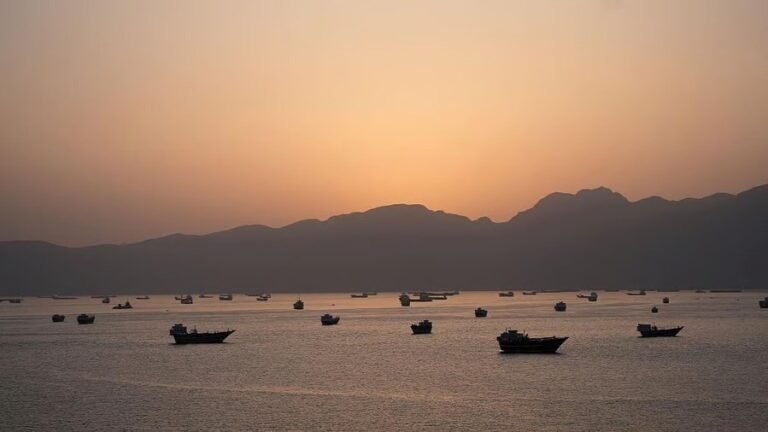
The Strait of Hormuz was always described as an energy chokepoint, the passage for a fifth of the world’s oil. The crisis revealed something more uncomfortable: it is an everything chokepoint. The same corridor that carries oil out carries food, fertilizer, medicines, industrial inputs, and spare parts in.
When tanker traffic stopped, businesses across the Emirates felt it. Procurement teams discovered how many of their “local” suppliers were just import distributors. Restaurant groups rushed to buy locally grown ingredients. Manufacturers counted the weeks of inventory between them and a closed sea lane.
For a country that imports most of what it consumes, that experience settles the argument. Diversification is desirable. Resilience is existential. Localization is no longer one priority among others. It is the priority.
The response came fast. At this year’s forum, the government announced a 180 billion dirham procurement drive to localize more than 5,000 products, and national banks committed over 40 billion dirhams of financing for industrial SMEs. Read those two figures together: demand is guaranteed, and capital is subsidized. That is what a country does when the outcome is not optional.
What to Expect Next
ICV will tighten. When localization was economics, an ICV score was a tender advantage. Now that it is security, expect higher thresholds and more weight on real local manufacturing.
The strategic sectors are known: food and agritech, water, pharmaceuticals, defense, energy components, and the digital infrastructure underneath them. The 5,000-product list is effectively a published shopping list. Abu Dhabi, with its sovereign industrial champions and its capital, will be the center of gravity for the heavy end of it.
And speed will be rewarded. The UAE has a pattern: once a national priority is set, the machinery moves fast. Land, licenses, energy tariffs, financing, anchor contracts. Companies that show up with a credible localization plan in the next twelve to twenty-four months will negotiate from strength. Those that wait will find the best positions taken and the incentives smaller, because incentives shrink once the gap is filled.
The Opportunity for Western Companies
It is tempting to read all this as protectionism, one more compliance cost. That misses the point. Localization is not a tax on market access anymore. It is the market access. A 180 billion dirham procurement program aimed at products the country currently imports is, from the supplier’s side, a funded invitation: move from selling into the UAE to producing in it, with demand partly underwritten by the state.
The ladder has several rungs, and not every company needs to climb all of them. Get ICV-certified and optimize the score honestly. Move final assembly, configuration, or packaging into the country. Build real manufacturing where volumes justify it, the new financing and anchor demand improve business cases that did not close two years ago. Or partner with a local group for capital, relationships, and procurement access.
One more thing, and it is where we spend our days: the announcement is the easy part. A localization commitment is an operating commitment. A plant to run, a supply chain to build, local teams to train, quality and cost to hold after the honeymoon ends. The certificate gets you into the room. The operating engine keeps you there.
Now Is the Time
Countries rarely state their strategy this clearly. The UAE has published the target, listed the products, funded the demand, and subsidized the capital. The war removed whatever hesitation remained.
For Western companies with a presence in the UAE, the message is becoming clear: selling into the market is no longer enough. The strategy is public. The money is committed. The products are listed. For companies willing to build here, the UAE is offering something rare: a seat at the table while the table is still being set. The ones who take it now will not just win contracts. They will be part of the country’s industrial story, and that is a position no tender can buy later.